
2026 CNC Machining in the AI Era: Empowering Startups and Next-Generation Manufacturing
2026 CNC Machining in the AI Era: Empowering Startups and Next-Generation Manufacturing
The convergence of Artificial Intelligence (AI) and Computer Numerical Control (CNC) machining is fundamentally reshaping the manufacturing landscape. As AI evolves from a theoretical concept to a practical industrial tool, CNC machines are transitioning from passive "executors" to intelligent "thinkers." For startups and emerging tech companies, this synergy presents unprecedented opportunities. This article explores the applications, value, and future prospects of AI-driven CNC machining, while providing a strategic guide for startups on selecting and utilizing small-to-medium CNC equipment to manufacture hardware for the AI industry.
The AI-CNC Synergy: Applications, Value, and Future Prospects
Key Application Scenarios
The integration of AI into CNC operations is already yielding tangible results across several critical areas:
Intelligent Programming & Path Optimization: AI algorithms can analyze 3D CAD models and automatically generate or optimize CNC G-code. Tools like AI-assisted CAM software can complete up to 80% of a CNC program in minutes, drastically reducing manual programming time and minimizing human error.
Predictive Maintenance: By analyzing real-time sensor data (vibration, temperature, spindle load), machine learning models can predict tool wear and component failures before they occur. This shifts maintenance from a reactive to a proactive stance, reducing unplanned downtime by up to 40%.
Adaptive Control & Real-Time Quality Assurance: AI systems can monitor machining conditions in real-time, automatically adjusting feed rates and spindle speeds to maintain optimal cutting parameters. Furthermore, AI-driven vision systems can inspect parts during production, reducing defect rates by up to 50%.
Digital Twin & Flexible Manufacturing: AI enables the creation of high-fidelity virtual replicas of physical machines. Manufacturers can simulate and optimize production processes in the digital realm before physical execution, facilitating rapid changeovers for high-mix, low-volume production.
Core Value Proposition
The primary value of AI in CNC machining lies in efficiency, precision, and cost reduction. AI bridges the skills gap by capturing expert knowledge and applying it consistently, allowing junior operators to achieve professional-grade results. It maximizes machine uptime, minimizes material waste, and accelerates time-to-market for new products.
Future Prospects
The future of CNC machining is undeniably autonomous. We are moving toward fully self-optimizing manufacturing ecosystems where machines possess the equivalent of years of engineering experience. As AI models become more sophisticated and edge computing more prevalent, CNC machines will seamlessly integrate into smart factories, communicating via standardized protocols (like OPC UA) to orchestrate entire production lines with minimal human intervention.
Strategic Equipment Selection for Startups
For startups entering the hardware or AI space, capital efficiency and agility are paramount. Choosing the right small-to-medium CNC machine is a critical first step.
Why Small CNC Machines?
Small CNC machines (including mini lathes, desktop mills, and compact machining centers) offer distinct advantages for early-stage companies:
Cost-Effectiveness: They require a fraction of the capital investment of large industrial machines and consume significantly less power, leading to faster ROI.
Space Efficiency: Their compact footprint makes them ideal for small workshops, incubators, or R&D labs.
Agility: They excel at prototyping, bridge manufacturing, and low-volume production (1 to hundreds of parts), allowing startups to iterate designs rapidly without the burden of expensive mass-production tooling.
Key Selection Criteria
When evaluating small CNC machines, startups should focus on:
Material Compatibility: Ensure the machine’s rigidity and spindle power match your target materials. While desktop CNCs are great for plastics, PCBs, and soft aluminum (e.g., 6061-T6), processing steel or titanium requires industrial-grade small machining centers with higher rigidity and torque.
Precision & Repeatability: Look for machines utilizing linear guideways and ball screws over traditional ways, and verify the manufacturer’s repeatability specifications.
Software Ecosystem & Connectivity: Choose machines compatible with modern CAD/CAM software and capable of network integration. As AI tools become standard, having a digitally connected machine will future-proof your operations.
Support & Community: For startups, access to technical support, spare parts, and an active user community is as important as the machine itself to minimize downtime during critical development phases.
Manufacturing Products for the AI Industry with Small CNC
The AI boom has created a massive demand for specialized physical hardware. Small CNC machines are uniquely positioned to supply this niche market:
Custom Heat Sinks & Thermal Management: AI chips and edge computing modules generate immense heat. Small CNC mills are perfect for machining intricate, custom aluminum heat sinks with complex fin geometries that extrusion cannot achieve.
Robotic & Sensor Enclosures: AI relies heavily on robotics and IoT sensors. Startups can use small CNCs to prototype and produce low-volume, durable enclosures (from aluminum or engineering plastics like Delrin) for cameras, LiDAR, and robotic actuators.
Precision Mechanical Components: AI-driven automation requires high-precision mechanical parts. Small CNC lathes and mills can manufacture custom shafts, gears, brackets, and mounting plates for robotic arms and automated guided vehicles (AGVs).
Rapid Prototyping of AI Hardware: For AI hardware startups, small CNC machines enable in-house, iterative prototyping. Engineers can design a component in CAD, machine it on-site the same day, test it, and refine the design immediately, drastically compressing the product development cycle.
In conclusion, the AI era is not replacing CNC machining; it is elevating it. For startups, leveraging small CNC machines enhanced by AI-driven workflows offers a powerful, cost-effective pathway to innovate, prototype, and produce the physical infrastructure that the digital AI revolution demands.
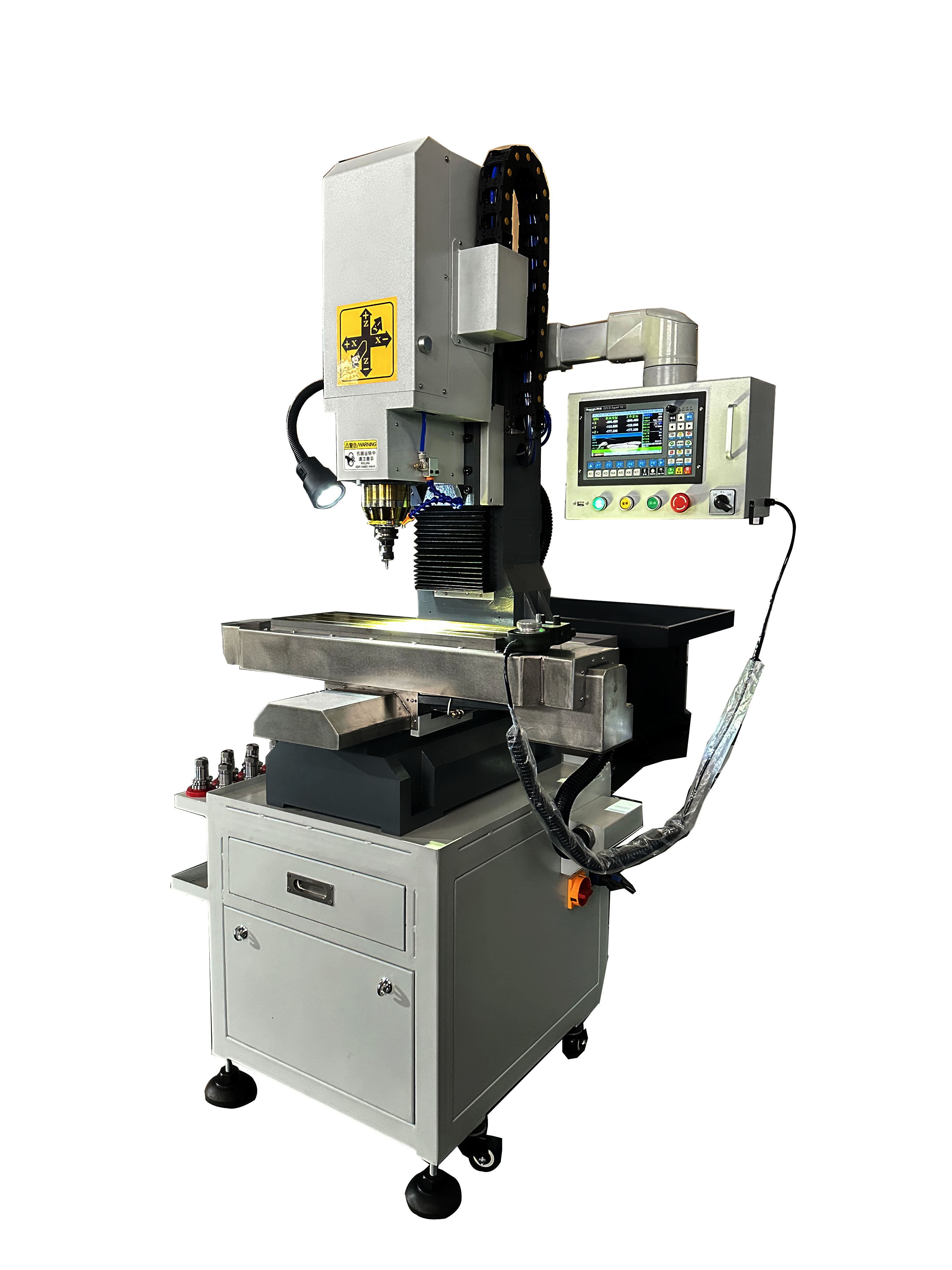 The Growing Role of Small CNC Milling Machines in Automotive and Motorcycle Parts Manufacturing: A Focus on Emerging Markets
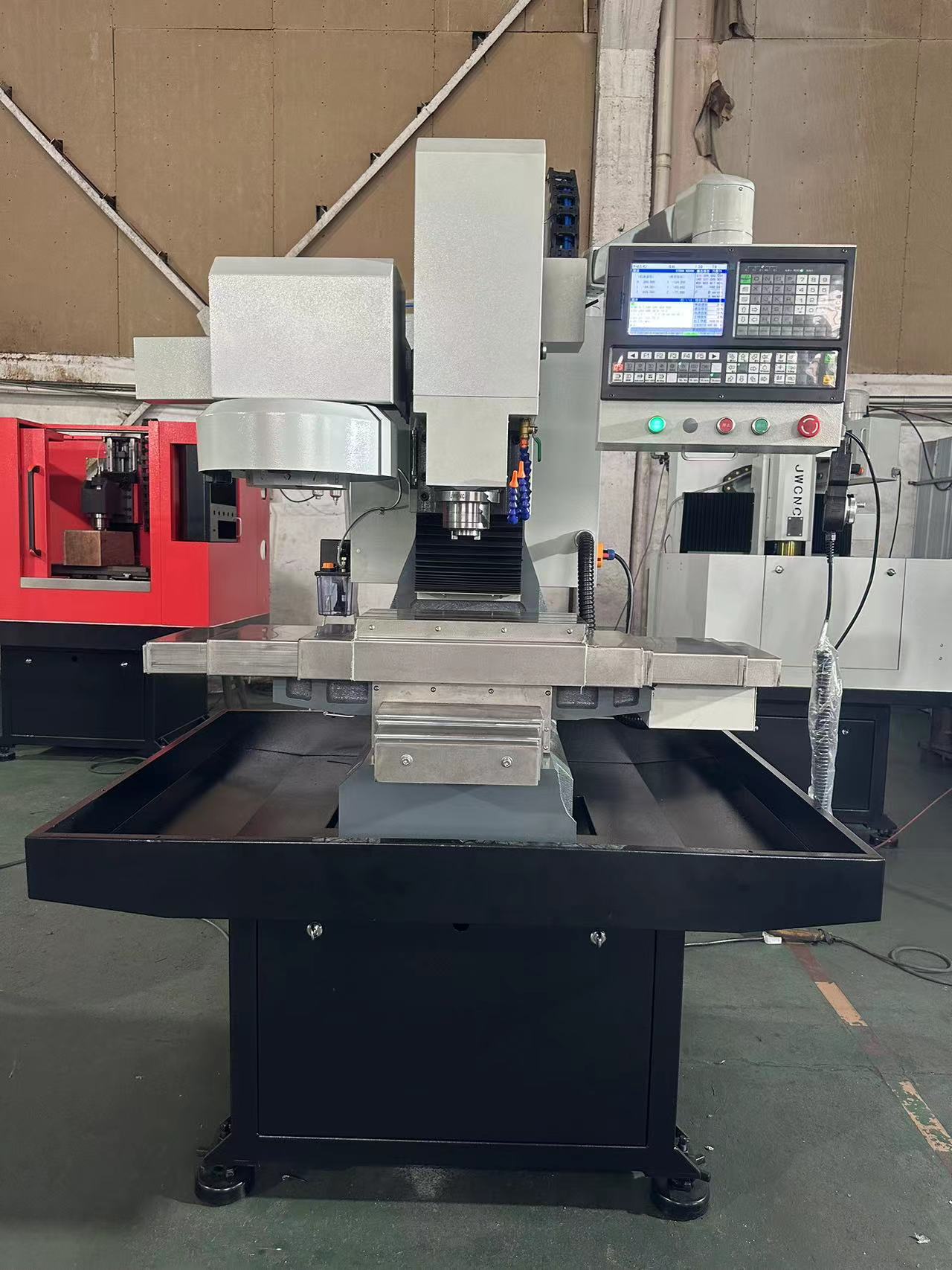 How to Choose a Small CNC Machining Center: A Comprehensive Guide
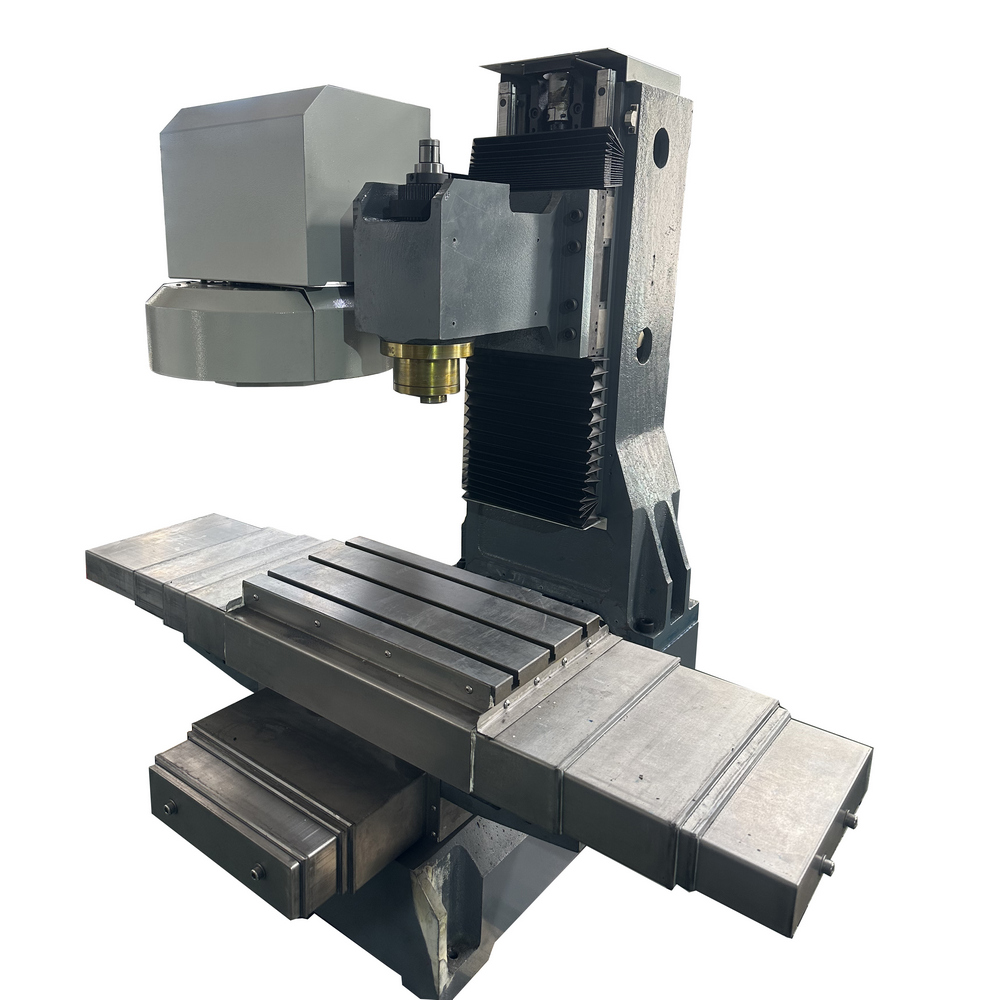 A high-quality CNC small machine starts with a robust frame that is sturdy, stable, and highly precise
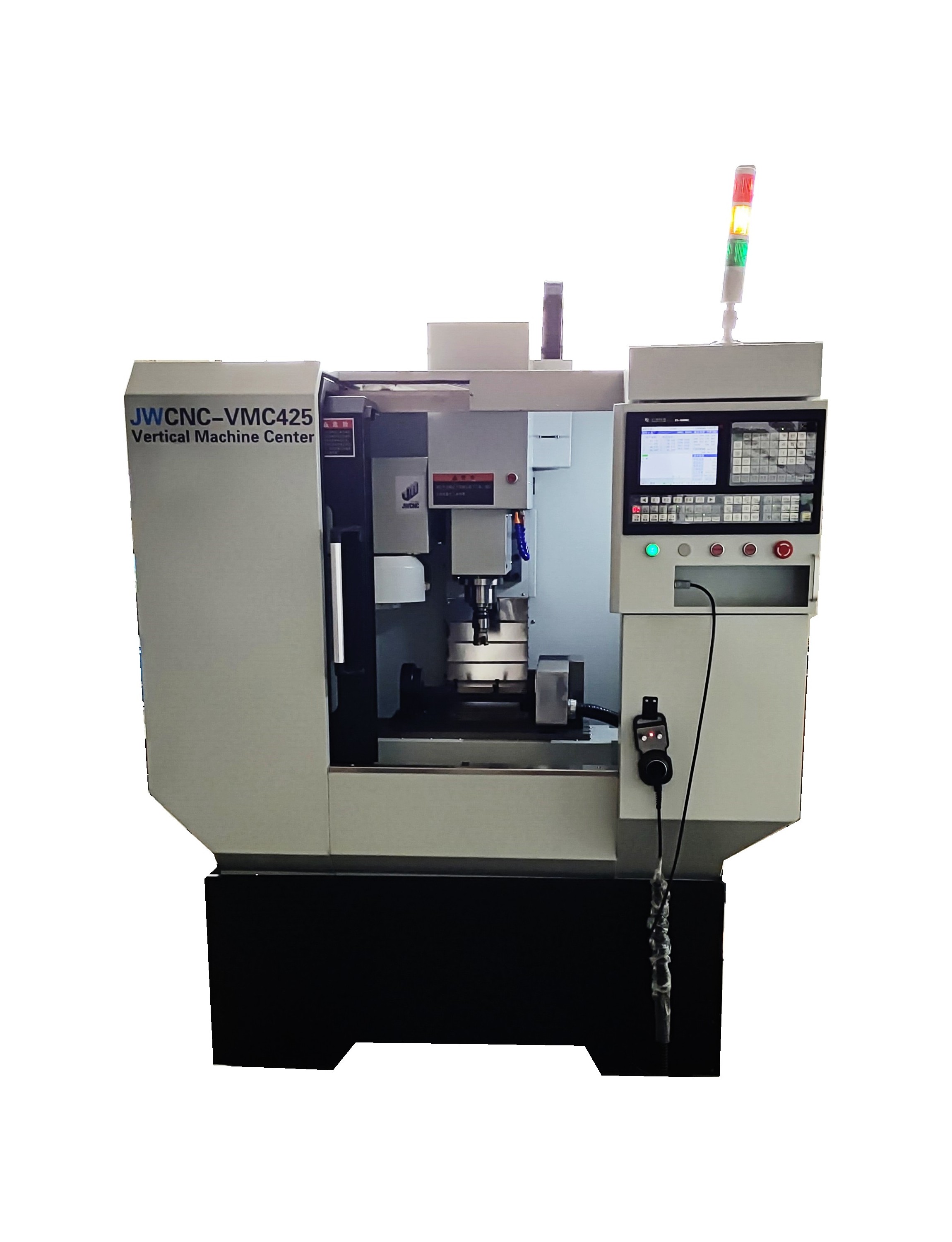 2026 CNC Machining in the AI Era: Empowering Startups and Next-Generation Manufacturing
Please contact us with your request
We are ready to answer your questions.